

Imagine if every avocado you ate came with a visible carbon footprint. What if that footprint could be reduced while keeping the farm just as vibrant?
The vast farm of ever green is undeniable. But behind this beauty lies a hidden challenge one that is measured not in petals, but in kilowatts. Energy consumption plays a crucial role in the farm’s operations, from greenhouse temperature control to irrigation and post-harvest processing. That’s why our team recently conducted an in-depth energy audit, uncovering ways to make this floral paradise more efficient and sustainable.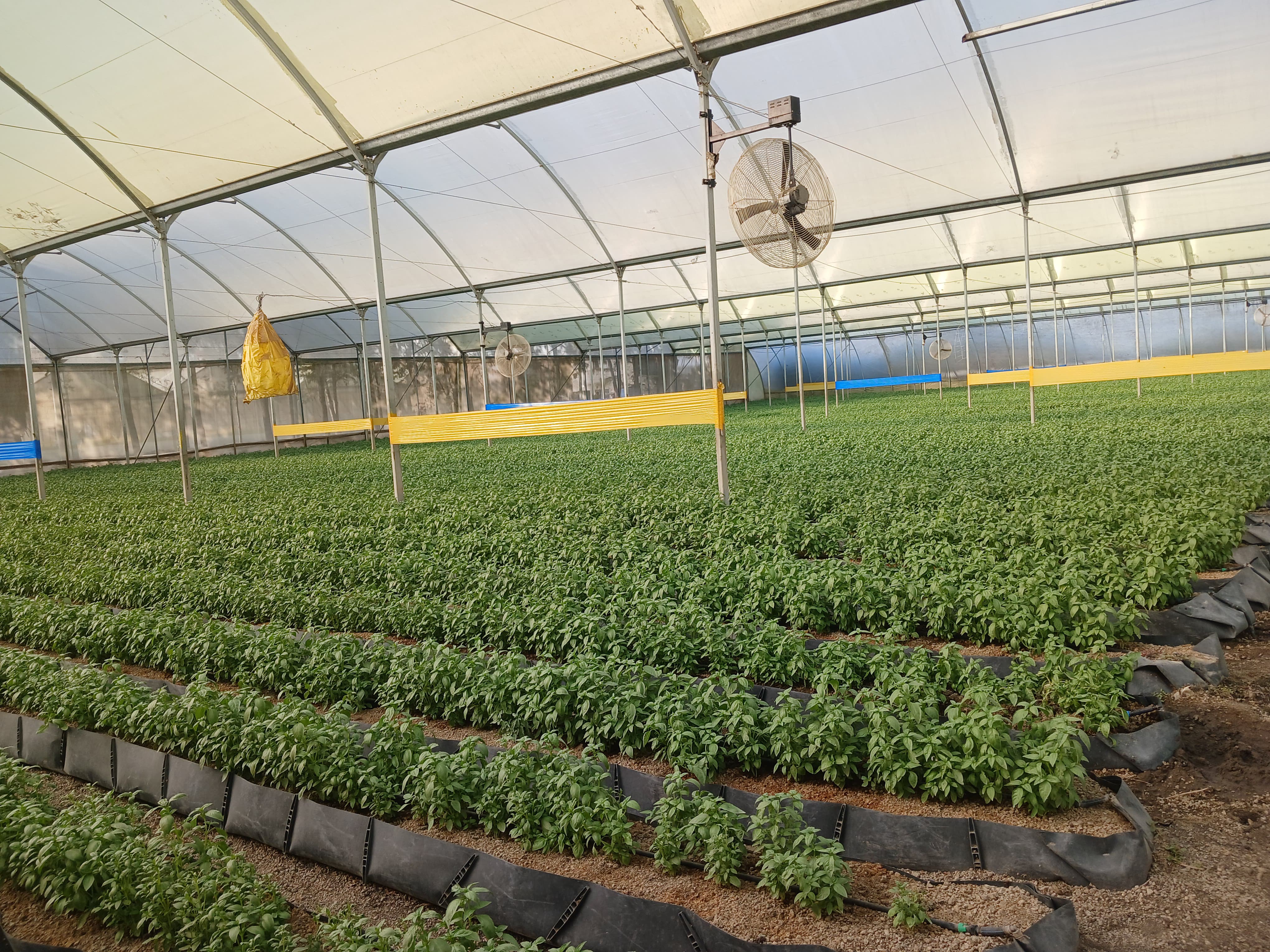
The Energy Challenge: Why an Audit Was Needed
Flower farms are energy-intensive operations. Maintaining optimal temperatures, powering irrigation systems, and ensuring proper lighting all contribute to high energy demands. At [Flower Farm Name], the management team recognized an opportunity to optimize operations, reduce costs, and embrace greener solutions without compromising the quality of their flowers.
Uncovering Hidden Energy Drains
Our audit team, armed with advanced monitoring equipment, set out to analyze energy usage across various sections of the farm. Key focus areas included:
- Greenhouses – Heating, ventilation, and lighting efficiency
- Irrigation Systems – Water pumping and distribution energy use
- Processing & Packaging – Energy consumption in sorting and cooling facilities
- On-Site Offices & Storage Facilities – Day-to-day operational energy needs
Key Findings
The audit revealed some eye-opening statistics. For example, the irrigation system was consuming 20% more energy than necessary due to outdated pumps. Similarly, the use of traditional lighting in greenhouses accounted for a significant portion of overall electricity costs. One of the most surprising discoveries was the inefficient insulation of the storage rooms, causing cooling systems to work overtime.
The Sustainable Road Ahead
Based on these findings, several recommendations were made:
✅ Upgrading to energy-efficient LED lighting in greenhouses and workspaces
✅ Installing automated irrigation systems to optimize water and power use
✅ Enhancing insulation in storage facilities to reduce cooling costs
✅ Exploring renewable energy sources, such as solar panels, to offset grid dependence
The Bigger Picture: Sustainability in Agribusiness
By implementing these changes, [Flower Farm Name] isn’t just cutting costs it’s setting an example for other agribusinesses. Energy efficiency in agriculture doesn’t just benefit businesses financially; it contributes to broader environmental goals by reducing carbon footprints and conserving resources.
As we continue to support businesses on their journey toward sustainability, one thing is clear: every step toward energy efficiency helps cultivate a greener future.
What’s Next? Would you like to explore how an energy audit could benefit your business?
Reach out to us today to learn how we can help you optimize your energy use for a more sustainable tomorrow.